“You can’t connect the dots looking forward; you can only connect them looking backward.” This profound quote by Steve Jobs underscores the importance of planning ahead. When it comes to your computing setup, having a future ready computer setup is crucial for staying ahead of the curve.
Some tech-savvy users understand the value of long term computer planning. By designing their computing setup five years in advance, they can ensure their systems remain relevant and efficient, even as technology rapidly evolves.
This forward-thinking approach allows users to make informed decisions about their technology investments, avoiding the need for frequent upgrades and minimizing electronic waste.
Key Takeaways
- Designing your computing setup in advance helps stay ahead of technological advancements.
- A future-ready setup minimizes the need for frequent upgrades.
- Long-term planning reduces electronic waste and saves costs.
- Informed decisions about technology investments can be made with a clear future vision.
- A well-planned computing setup enhances overall system efficiency and performance.
The Strategic Advantage of Forward Planning
Forward planning is essential for creating a sustainable computing setup that meets your needs. By investing time in planning your computing setup, you can maximize efficiency and minimize costs.
Economic Benefits of Long-Term Vision
Adopting a long term computing strategy can yield significant economic benefits. This approach allows you to make informed purchasing decisions, reducing unnecessary expenses.
Cost Savings Through Strategic Purchases
By planning ahead, you can identify the best times to purchase hardware and software, taking advantage of sales and discounts. This strategic approach can lead to substantial cost savings.
Avoiding Reactive Spending Patterns
A long term computing strategy helps you avoid reactive spending by anticipating your needs and budgeting accordingly. This proactive approach reduces the likelihood of last-minute, costly purchases.
| Benefits | Short-Term Approach | Long-Term Approach |
|---|---|---|
| Cost | Higher due to reactive purchases | Lower through strategic planning |
| Efficiency | Lower due to frequent upgrades | Higher through optimized setup |
Preventing Technology Obsolescence
Preventing technology obsolescence is crucial for maintaining a sustainable computing setup. By choosing components with lasting value, you can extend the lifespan of your computing setup.
Identifying Components with Lasting Value
Selecting hardware and software with enduring quality ensures that your computing setup remains relevant and functional over time.
Building Resilience Against Market Changes
A well-planned computing setup is resilient to market fluctuations, allowing you to adapt to changes without significant additional investment.
Assessing Your Current and Future Computing Needs
Assessing your computing needs, both now and in the future, is the first step towards a sustainable computing plan. This involves understanding the distinction between your current requirements and what you might need down the line.
Personal vs Professional Requirements
Your computing needs can vary significantly depending on whether you’re using your computer for personal or professional purposes. For personal use, factors like entertainment, browsing, and basic office work might be your main considerations. On the other hand, professional requirements could include more demanding tasks such as video editing, software development, or data analysis.
Workload Analysis and Projection
Conducting a workload analysis helps you understand the computational resources you need. This involves identifying the types of applications you run, their resource demands, and how these demands might change over time.
Specialized Tools and Applications
If your work involves specialized tools or applications, such as CAD software or video editing suites, you’ll need to ensure your computer can handle these demanding programs. This might require more powerful processors, additional RAM, or high-end graphics cards.
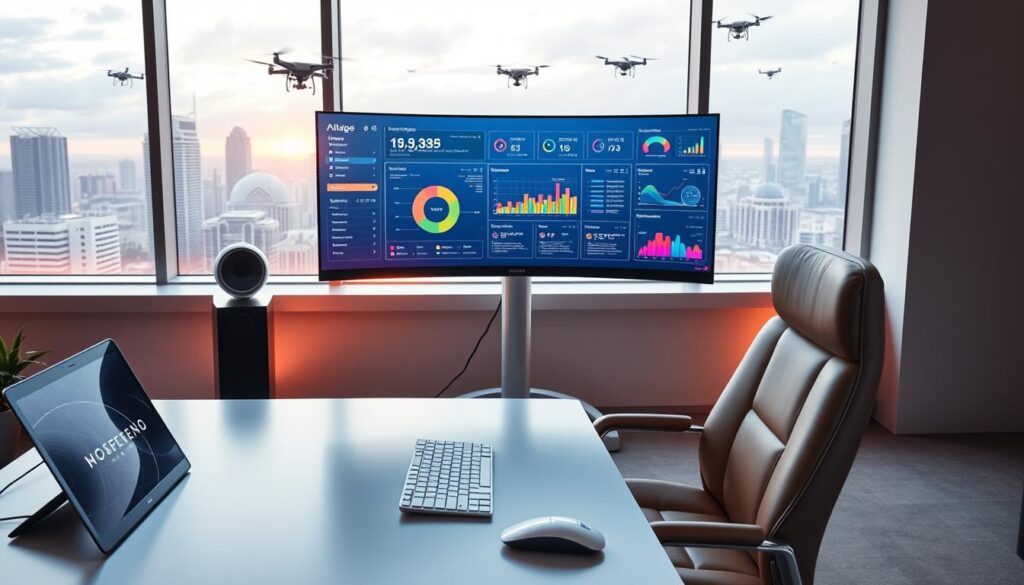
Anticipating Workflow Evolution
Anticipating how your workflow might evolve is crucial for planning your computer upgrades. Emerging technologies and new methodologies can significantly impact your computing needs.
Emerging Technologies in Your Field
Staying informed about emerging technologies in your field can help you anticipate future needs. For instance, the adoption of AI and machine learning in various industries is driving the need for more powerful computing resources.
Scaling Resources for Growth
As your work or projects grow, your computing resources may need to scale accordingly. This could mean upgrading individual components or investing in entirely new systems.
| Component | Current Need | Future Need |
|---|---|---|
| Processor | Quad-core | Hexa-core or higher |
| RAM | 16 GB | 32 GB or more |
| Storage | 512 GB SSD | 1 TB SSD or more |
By carefully assessing your current and future computing needs, you can make informed decisions about how to plan your computer upgrades effectively, ensuring a future-ready computer setup.
The Fundamentals of Long Term Computer Planning
To future-proof your computing setup, it’s essential to establish a comprehensive planning framework. This involves understanding your current and future computing needs, assessing the lifecycle of your components, and creating a roadmap for upgrades and replacements.
Establishing a Technology Roadmap
A technology roadmap is crucial for long-term computer planning. It helps you visualize your computing needs over time and make informed decisions about hardware and software investments.
Component Lifecycle Assessment
Assessing the lifecycle of your components is vital to determining when they may need to be upgraded or replaced. This includes evaluating the lifespan of hardware such as processors, memory, and storage devices.
Upgrade Sequence Planning
Planning the sequence of upgrades ensures that your system remains compatible and efficient over time. This involves prioritizing upgrades based on your needs and the compatibility of new components with existing hardware.
| Component | Typical Lifespan | Upgrade Priority |
|---|---|---|
| Processor | 3-5 years | High |
| Memory (RAM) | 4-6 years | Medium |
| Storage (SSD/HDD) | 3-5 years | High |
Setting Realistic Timelines and Milestones
Setting realistic timelines and milestones is critical to successful long-term computer planning. This involves identifying key replacement points and implementing performance monitoring strategies to ensure your system remains optimized.
Critical Replacement Points
Identifying critical replacement points helps you anticipate when components are likely to fail or become obsolete, allowing you to plan for timely upgrades or replacements.
Performance Monitoring Strategies
Implementing performance monitoring strategies enables you to track your system’s performance over time, identify potential issues before they become critical, and make informed decisions about upgrades and maintenance.
“The key to successful long-term computer planning is not just about selecting the right hardware, but also about creating a sustainable and adaptable technology ecosystem.”
By following these fundamentals, you can create a robust and flexible computing setup that meets your needs now and in the future.
Hardware Considerations for Extended Lifecycles
Extending the lifecycle of your computing setup requires careful planning and selection of hardware components. A well-thought-out hardware strategy not only enhances performance but also contributes to a sustainable computing setup by reducing electronic waste and the need for frequent upgrades.
Processor and Motherboard Selection Strategy
Choosing the right processor and motherboard is crucial for a future-ready computer setup. These components form the backbone of your system, determining its performance and upgradeability.
Socket Longevity and Upgrade Paths
Opt for a motherboard with a socket that has a history of longevity and supports multiple generations of processors. This approach ensures that you can upgrade your CPU without needing to replace the motherboard, saving cost and reducing waste.
Chipset Features That Stand the Test of Time
Consider a chipset that offers advanced features such as high-speed USB, SATA, and PCIe lanes. These features provide flexibility for connecting peripherals and expanding your system.
Memory and Storage Planning
Effective memory and storage planning are vital for a system that can adapt to future demands. Selecting the right type and amount of RAM and storage can significantly extend your system’s lifecycle.
RAM Standards and Future Compatibility
Choose RAM that adheres to the latest standards (e.g., DDR5) for better performance and future compatibility. Ensure your motherboard supports RAM upgrades to allow for easy expansion.
Storage Technology Evolution
Invest in storage technologies that are gaining traction, such as NVMe SSDs, which offer superior performance and are likely to remain relevant in the future.
Graphics and Peripheral Longevity
For a system intended to last, consider the graphics card and peripherals that can either be upgraded or are based on standards that are likely to endure.
GPU Architecture Considerations
Select a GPU with a robust architecture that can handle current and future graphical demands. Consider GPUs with upgradeable or modular designs.
Interface Standards and Connectivity
Ensure your system has a variety of interface standards such as USB-C, HDMI, and DisplayPort to accommodate different peripherals and monitors, enhancing its longevity.
By focusing on these hardware considerations, you can build a computing setup that is not only powerful but also sustainable and adaptable to future technological advancements.
Software Ecosystem and Stable Technology Planning
As you design your computing setup for the future, the software you choose plays a pivotal role in its stability and longevity. A well-planned software ecosystem can ensure that your system remains relevant and functional over time.
Operating System Support Cycles
Understanding the support lifecycle of your operating system (OS) is crucial for long-term planning. Different OS versions have varying support durations, impacting your ability to receive updates and security patches.
Enterprise vs Consumer Support Windows
Enterprise versions of operating systems typically offer longer support windows compared to consumer versions. For instance, enterprise editions of Windows often receive extended support for up to 30 months longer than their consumer counterparts.
Migration Strategies Between Versions
Planning for OS upgrades involves assessing the compatibility of your existing software and hardware. A well-thought-out migration strategy can minimize downtime and ensure continuity.
| OS Version | Support Duration | Upgrade Path |
|---|---|---|
| Windows 10 | 5 years | In-place upgrade |
| Windows 11 | 5 years | Clean install or upgrade |
| Linux Distribution | Varies (typically 2-5 years) | Distribution upgrade |
Application Compatibility and Vendor Reliability
Ensuring that your applications remain compatible with your evolving system is vital. Vendor reliability and support for your chosen applications can significantly impact your long-term strategy.
Software Subscription vs Perpetual License Models
The choice between software subscription models and perpetual licenses affects both your budget and your ability to control software versions. Subscription models offer flexibility but may lead to recurring costs, while perpetual licenses provide long-term control but may require more frequent upgrades.
Open Source Alternatives for Longevity
Considering open-source alternatives can enhance the longevity of your software ecosystem. Open-source software often benefits from community support, potentially extending its lifespan beyond that of proprietary solutions.
By carefully evaluating your software ecosystem and planning for the long term, you can create a stable technology foundation that supports your needs for years to come.
Building a Future-Ready Computer Setup
Building a computer that remains relevant over time requires a strategic approach. To achieve this, you need to focus on creating a system that is not only powerful today but also adaptable for tomorrow’s technologies.
Modular Design Principles
A modular design allows you to upgrade individual components without having to replace the entire system. This approach is cost-effective and reduces electronic waste.
Case and Power Supply Considerations
Choosing a case with ample room for expansion and a power supply that can handle future upgrades is crucial. Look for cases with modular designs and power supplies with sufficient wattage headroom.
Cooling Solutions with Room to Grow
An effective cooling system is vital for maintaining performance. Consider liquid cooling solutions that can be expanded or upgraded as needed.
Upgrade Paths and Expansion Options
Planning for future upgrades is essential. This involves considering the upgrade paths available for your system’s components.
PCIe Generations and Backwards Compatibility
Understanding PCIe generations and their backwards compatibility is key to ensuring that your system can accommodate new hardware. Newer PCIe versions offer faster speeds, but they are typically backwards compatible.
External Expansion Capabilities
External expansion options, such as Thunderbolt 3 or USB4, provide flexibility for adding peripherals and expansion cards. These technologies offer high-speed connectivity and the ability to daisy-chain devices.
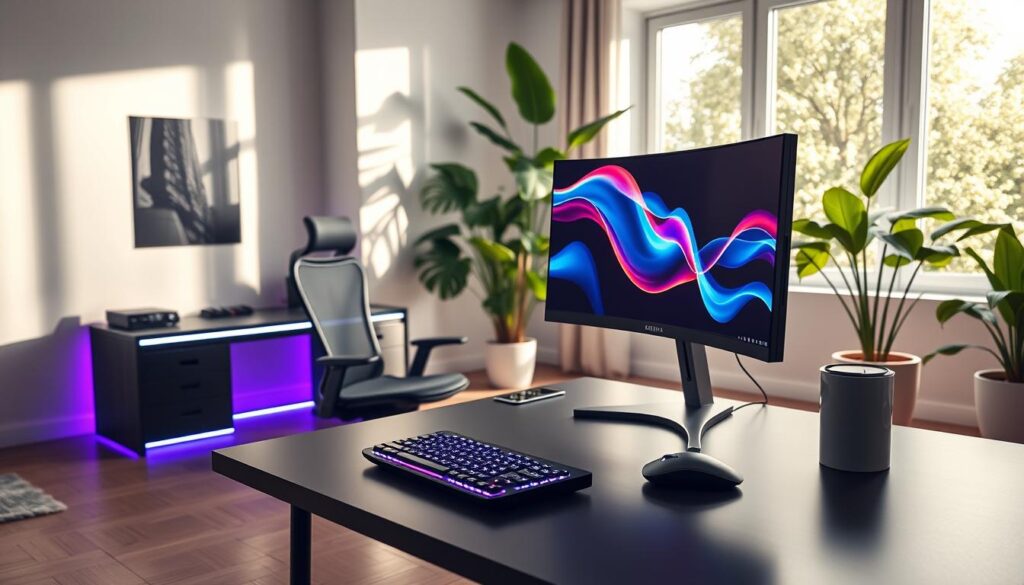
Technological Trends to Monitor for Sustainable Computing Setup
The key to a future-proof computing setup lies in understanding the current technological landscape and its potential evolution. As technology advances, several trends are emerging that can significantly impact the sustainability and efficiency of your computing setup.
Processor Architecture Shifts
One of the critical areas to watch is the shift in processor architectures. This includes the ongoing debate between different architectures and the rise of specialized computing.
ARM vs x86 Long-term Outlook
The competition between ARM and x86 architectures is intensifying, with each having its strengths and weaknesses. ARM architecture is known for its power efficiency, which is crucial for mobile and embedded systems. On the other hand, x86 architecture has been the staple for desktop and server environments due to its high performance. The long-term outlook suggests a continued coexistence, with ARM potentially gaining more ground in the data center and desktop markets.
Specialized Computing (AI, ML) Requirements
The rise of Artificial Intelligence (AI) and Machine Learning (ML) is driving the demand for specialized computing hardware. GPUs and TPUs are becoming essential for handling the complex computations required by AI and ML workloads. As these technologies continue to evolve, your computing setup may need to incorporate specialized hardware to remain relevant.
Connectivity and Peripheral Standards
Beyond processor architecture, another crucial aspect is the evolution of connectivity and peripheral standards. This includes advancements in wireless technology and display and input devices.
Wireless Technology Evolution
Wireless technologies such as Wi-Fi and Bluetooth are continually evolving, offering faster speeds and better reliability. The adoption of Wi-Fi 6 and the upcoming Wi-Fi 7 standards are significant for ensuring your setup remains connected and efficient.
Display and Input Device Advancements
Advancements in display technology, such as OLED and MicroLED, offer better performance and energy efficiency. Additionally, input devices are becoming more sophisticated with the integration of AI, enhancing user experience.
By keeping an eye on these technological trends, you can make informed decisions to ensure your computing setup remains sustainable and efficient over its lifecycle.
Budgeting Strategies for Long-Term Investment
Long-term computer planning requires a strategic budgeting approach to maximize your investment. When setting up a computing system that will last for years, it’s crucial to consider not just the initial costs, but also the costs associated with maintaining and upgrading the system over time.

Initial Investment vs. Incremental Upgrades
Deciding between a high initial investment in a top-of-the-line computing setup versus incremental upgrades over time is a critical budgeting decision. A high upfront cost can provide a robust system that meets your needs for a longer period, potentially reducing the need for frequent upgrades. On the other hand, opting for incremental upgrades allows you to distribute costs over time, adapting to new technologies as they emerge.
For instance, investing in a modular computer design can facilitate easier upgrades, reducing the financial burden of completely replacing the system. This approach requires careful planning to ensure compatibility and future-proofing.
Total Cost of Ownership Analysis
Conducting a Total Cost of Ownership (TCO) analysis is essential for understanding the true cost of your computing setup over its lifecycle. TCO includes not just the initial purchase price and upgrade costs, but also maintenance, energy consumption, and potential downtime costs.
By analyzing these factors, you can make informed decisions about whether to invest in more expensive, durable components or to plan for regular upgrades, ultimately optimizing your long-term computer planning and budget.
Conclusion: The Value of Strategic Computing Vision
As you’ve explored the various aspects of planning a computing setup that stands the test of time, it’s clear that a strategic computing vision is crucial for maximizing your investment. By adopting a long-term perspective, you can create a future ready computer setup that meets your evolving needs without requiring frequent, costly upgrades.
A well-planned sustainable computing setup not only reduces electronic waste but also ensures that your technology remains relevant and efficient. This approach involves careful consideration of hardware and software components, as well as a commitment to stable technology planning.
By integrating these principles into your computing strategy, you’ll be better equipped to navigate the ever-changing technological landscape. This forward-thinking approach enables you to stay focused on your goals, whether personal or professional, without being hindered by outdated technology.
Ultimately, the value of a strategic computing vision lies in its ability to provide a stable foundation for your future endeavors, making it an indispensable aspect of your technological planning.
FAQ
What is the benefit of planning my computing setup five years in advance?
Planning your computing setup in advance allows you to make strategic purchases, avoid reactive spending, and prevent technology obsolescence, ultimately saving you money and ensuring your system remains relevant.
How do I assess my current and future computing needs?
To assess your computing needs, differentiate between personal and professional requirements, analyze your workload, and anticipate future workflow evolution, considering emerging technologies and scaling resources for growth.
What are the key considerations for hardware selection to extend the lifecycle of my computing setup?
When selecting hardware, consider processor and motherboard socket longevity, RAM standards, storage technology evolution, and GPU architecture to ensure your system remains upgradable and compatible with future technologies.
How can I ensure my software ecosystem remains stable and compatible with future technologies?
To maintain a stable software ecosystem, understand operating system support cycles, choose reliable application vendors, and consider software licensing models, such as subscription or perpetual licenses, and explore open-source alternatives.
What are the best practices for building a future-ready computer setup?
To build a future-ready computer setup, adopt modular design principles, select a suitable case and power supply, plan for cooling solutions, and consider upgrade paths and expansion options, including PCIe generations and external expansion capabilities.
What technological trends should I monitor to maintain a sustainable computing setup?
Stay informed about processor architecture shifts, such as ARM vs x86, specialized computing requirements like AI and ML, evolving connectivity and peripheral standards, including wireless technology and advancements in display and input devices.
How should I budget for a long-term computing setup investment?
When budgeting for your computing setup, compare initial investment costs with incremental upgrade expenses, and perform a total cost of ownership analysis to make financially informed decisions.
What is the importance of a technology roadmap in long-term computer planning?
Establishing a technology roadmap helps you assess component lifecycles, plan upgrade sequences, set realistic timelines, and identify critical replacement points, ensuring your computing setup remains current and efficient.